You sent the quote, and they said they would think about it. After two days, you called back, but no one answered. You followed up with an email, but didn’t get a response. And, just like that, another lead gone cold. If you resonate with this scenario, this blog is for you.
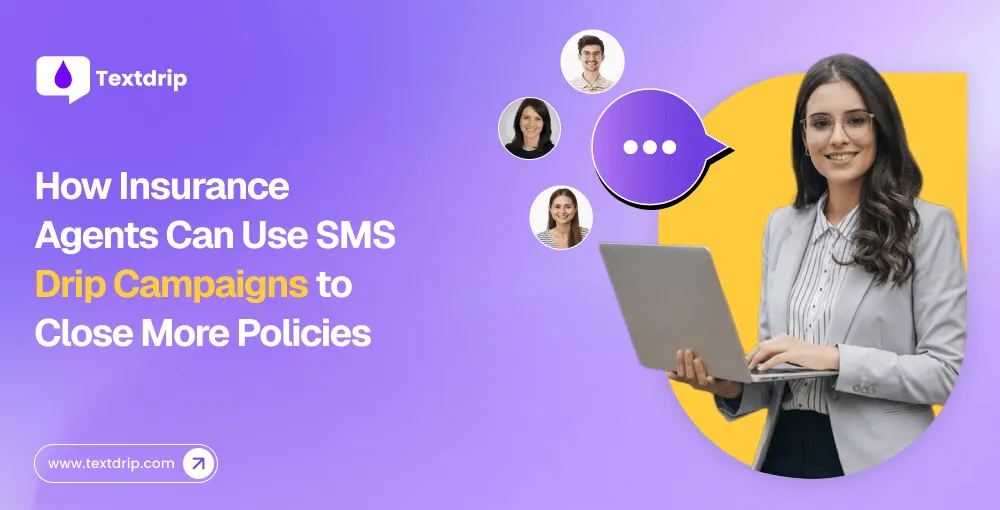
What I am trying to highlight here is the part that stings: your leads didn’t disappear; they just bought from the insurance agent who followed up faster. If this happens to you often, it’s time to use an SMS drip campaign because it helps close more policies. How? Let me explain to you in the simplest way.
SMS drip campaigns let insurance agents automatically send a sequence of personalized text messages to leads at the right time. From the moment when a lead submits a quote request to policy renewal reminders, these automated text messages keep you top-of-mind, speed up follow-ups, and help you close more policies even while you’re with other clients.
The Real Problem is Not Your Leads, but it’s Your Broken Follow-Up System
Just think about your typical day. You send a quote to the client, handle a claim call, chase a renewal, and, in all this chaos, five new leads come in. You thought you would call them after lunch, but you got stuck sending the compliance form to clients by email, and before you know it, the day is over.
What you can’t see in the backend is that those leads are already talking to some other agent.
According to a study by MIT and Harvard Business Review, leads contacted within 5 minutes are 21 times more likely to qualify than those contacted after just 30 minutes. The average business takes 47 hours to respond to a new lead, and here, the insurance agent who responds first wins 78% of the time.
So, the real gap between when a lead requests a quote and when you actually reach out to them is exactly where most policies die. SMS drip campaigns for insurance agents are built to close these gaps.
What is an SMS Drip Campaign for Insurance Agents? Why do They Work?
An SMS drip campaign for insurance agents is a series of automated SMS for insurance that goes out to prospects or clients based on a specific trigger or schedule. For example, if someone requests a quote, an automatic message sequence fires. If a client’s policy is 30 days from renewal, a drip SMS sequence kicks off automatically. If a lead went cold two weeks ago, a re-engagement drip will activate automatically. In a drip SMS campaign, you write the message once, and your automated SMS marketing platform, like Textdrip, handles the rest.
A few days ago, I met one of our clients who runs an insurance agency, and what he told me was an eye-opener: “When you run an insurance agency on a tight budget, automated SMS for insurance (drip campaigns) can save you hard-earned money and valuable time. It lets you set up automated SMS campaigns for things like onboarding, renewals, reminders, and more. It makes you a rock star in front of your prospects and customers because you’re continually following up with your customers. ”
If you’re wondering why drip SMS campaigns work well in insurance, here is the answer. Insurance is a high-consideration purchase. People don’t buy a policy the moment they see an ad. They research, compare, delay, and get distracted, and the agents who stay in front of them consistently, without being annoying, are the ones who close the deal when the prospect is finally ready.
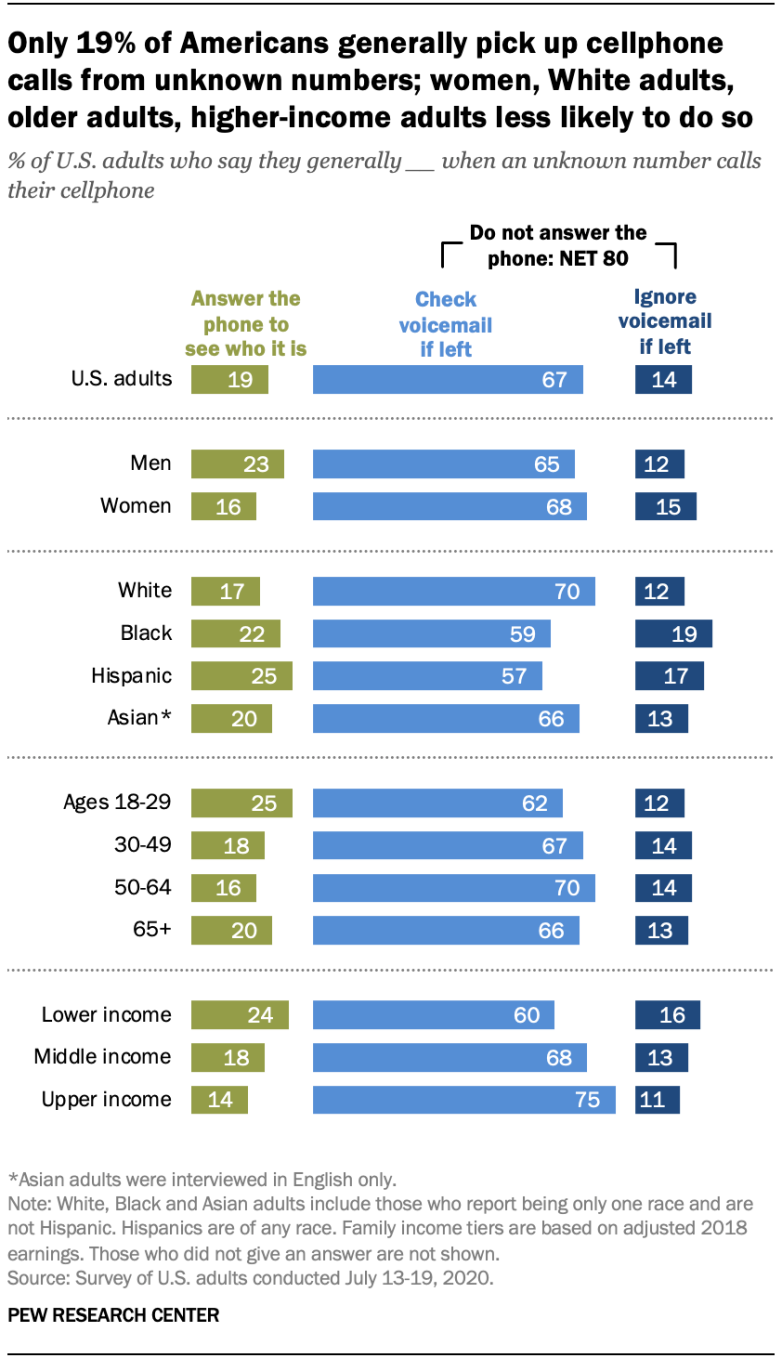
Automated SMS for insurance boasts a 98% open rate, a click-through rate between 21% and 35% , and most text messages are read within 3 minutes . If you compare it with email, it offers only 20% to 30% open rate. SMS response rates are 295% higher than the phone call response rates. As per the Pew Research Center , 80% of people don’t pick up the phone for numbers they don’t know. In such a situation, SMS works the best.
90% of people prefer texting with businesses over a phone call. This is not just another trend; it’s your customer base telling you how they want to be reached.
As Ben Feldman , one of the most successful insurance agents, once said, “Don’t sell life insurance. Sell what life insurance can do.” SMS drip marketing for insurance agents does exactly that. It doesn’t push leads and clients to buy a product, but it delivers value, builds familiarity, and stays relevant at every step of the customer journey.
In short, an SMS drip campaign for insurance agents provides more contact points with leads and clients, helps nurture each lead, and helps stand out from others by sending timely, relevant text messages.
5 SMS Drip Campaigns That Every Insurance Agent Should Set Up
1. The New Lead Instant Response
When a prospect requests a quote but you’re busy, leads end up waiting. In such a situation, a competitor texts them first. If you don’t want this to happen, an automated drip SMS campaign can help you. It fires at the moment when a new lead comes in, before you even know about it. This is the most important campaign because the first agent who responds usually wins the lead and has a better chance to close the deal.
For example:
Day - 0 - Immediately
Hi [Name], I am [Agent] from [Agency Name]. I got your quote request. Thank you for considering us. I am pulling all options together. What’s a good time to chat today or tomorrow? Reply STOP to opt out.
Day - 1
[Name], good morning. I’m just following up on your [policy type] quote. I’ve got a couple of options worth checking. If you have 10 minutes to chat, it could save you more than you’d expect. When is a good time to chat? Reply STOP to opt out.
Day - 3
Hi [Name]. No need to feel rushed. I know such decisions take time. If you have questions, I can answer over text. Let’s connect. Reply STOP to opt out.
Day - 7
Hey [Name], your quote is ready whenever you are. Just reply, and I’ll send everything over.
These messages don’t push but sound helpful, personal, and patient. It helps build trust with your leads.
2. The Policy Renewal Drip
Suppose a client’s policy is 30 days from expiring, and the client forgets or a competitor sends a better-timed offer and steals the renewal. If you want to fix this situation, running a policy renewal drip SMS campaign can help. It works in the background while you focus on new business.
For example:
Day - 30
Hey [Name], this is [agent] from [agency name]. Your [policy type] renews on [date]. Do you want to make any changes this year? I want to ensure your coverage fits everything. Just reply, and I’ll take a look. Reply STOP to opt out.
Day - 14
Hey [Name], just two weeks to renewal. I reviewed your policy and have a quick note. Can we connect for 10 minutes this week? Reply UNSUBSCRIBE to opt out.
Day - 7
[Name], hope you’re doing well. Only one week left. Reply YES to keep your current plan or TALK if you want to review options. As easy as that. Reply STOP to opt out.
Day - 3
Hey [Name], 3 days to go. Don’t let your coverage lapse. You can renew in 60 seconds here . Reply STOP to opt out.
Day - 0
[Name], all done! Your [Policy Type] has been renewed. Thank you for trusting us. I am always a text away if you need help anytime. Reply STOP to unsubscribe.
In this SMS drip campaign for insurance agents, the last message is important. It closes the loop and reminds the client they have a real person looking out for them, not just any faceless company.
3. The Cold Lead Re-Engagement Drip
A lead requested a quote more than a month ago and then went silent. The problem here is that most agents make two to three attempts and then give up. However, many leads typically convert on the 5th to 12th touch. Here, the re-engagement automated SMS for insurance works well, without being desperate.
For example:
Day - 1
Hey [Name], it’s [Agent] from [Agency]. We connected a while back about your [policy type]. I understand life gets busy, no worries at all. Are you still thinking about coverage, or has the situation changed? Reply STOP to opt out.
Day - 5
Hi [Name], I want to ask you a quick question. Has anything changed since we last talked? New home, new vehicle, or add someone to the family? I have some update options that might be a better fit now. Reply STOP to opt out.
Day - 12
Hey [Name], I respect your time, so I don’t want to annoy you by following up again and again. But before I close your file, I want to ensure you’re covered somewhere. Do you have any confusion that needs clarification? Reply STOP to opt out.
The message you will send on day 12 is one of the highest-performing messages in any re-engagement sequence. It encourages a response because people don’t want to be written off. That reply starts the conversation again.
4. The Post-Quote Follow-Up Drip
You sent the quote, and leads/clients say they will think about it. Meanwhile, your leads/clients compare quotes with your competitors and shop around. The problem here is that most agents follow up once, get no answer, and move on. To fix this, insurance agents need to run a drip SMS campaign that stays in the conversation without pressuring.
Day - 1 - after sending quote
Hi [Name], I have sent you a quote. Do you have any questions? I’m happy to help even if you’re comparing options elsewhere. Reply STOP to opt out.
Day - 3
Hey [Name], there are a few things that are worth knowing about your quote that most people often overlook. [Key Benefit 1] and [Key Benefit 2]. Can we do a quick chat? Reply STOP to opt out.
Day - 5
Hi [Name], your quoted rate is locked until [Date]. After that, it may adjust. Want to lock it in today? Reply STOP to unsubscribe.
Day - 8
Hey [Name], this is the last follow-up from my end. I don’t want to pressure you, but if something is holding you back, I would love to know what it is and what’s the hesitation.
The agent who asks the question gets the answer and the policy.
5. The Cross-Sell Drip
A client has an auto policy but no home policy, or vice versa. As an insurance agent, you know the cross-sell opportunity exists, but you don’t act on it because it feels awkward. In such a case, you can use a cross-sell drip SMS campaign.
For example:
Day - 1
Hey [Name], clients who bundle auto + home insurance with us save an average of $340 per year. Want to have a quick look? Reply YES and I will send you a comparison.
Day - 6
Hi [Name], I am still ready to run those bundling numbers for you. It hardly takes 10 minutes. When is a good time to talk this week? Reply STOP to opt out.
Day - 10
Hey [Name], no pressure at all. Just wanted to clarify that offers stand whenever the timing works, so reply anytime whenever you’re ready to discuss.
Tips to Write Perfect Drip SMS Messages That Get Replies
Your automated SMS for insurance should read as if written by a human, not a robot. Here are a few tips you need to keep in mind.
- Personalize each text message by including the lead or prospect’s name, purchase history, gender, interest, or other preferences.
- Ask only one question per message. If you ask three questions, you will get zero answers.
- Keep the SMS character limit in mind and write SMS under 160 characters because long texts feel like email, and people don’t read those either.
- Write as you talk. For example, “Your policy renewal is approaching. Please review your options.” sounds like an system generated text, but “Hey [Name], your renewal is in 10 days. I have your file ready with a quick note. Do you have two minutes?” looks like someone actually cares.
- Keep the recipient’s time zone in mind and send during business hours.
- Before you send a single automated text message , you need express written consent from the recipient. TCPA requires it, and violations can cost between $500 and $1,500 per message.
- Include opt-out instructions in every text message and respect them immediately.
- Never send automated SMS to a purchased list without documented consent.
- Keep your opt-in records in your CRM.
Textdrip seamlessly handles opt-in and opt-out requests and automatically logs compliance, so you stay protected without any manual effort.
As Neil Patel put it, “ SMS marketing is a faster, higher-engaging, and less saturated form of marketing but only if you use it like a person, not a broadcast system.”
How to Set Up a Drip SMS Campaign on Textdrip
You don’t need to be tech-savvy or have a marketing team to set up an SMS drip campaign for insurance agents. All you need to do is follow these simple steps.
1. Choose Your Trigger
New lead? Renewal? Quote sent, but no response? Each trigger starts a different sequence.
2. Write 3 to 5 Messages
Write at least three to five messages. Slowly move your leads by sending helpful, value-added, urgent, and action-driven messages. Don’t rush from message one to the hard close.
3. Set Your Intervals
Set proper intervals. If there are new leads, then it requires tighter spacing from day 0,1,3, and 7. If it’s a renewal drip SMS campaign, it requires wider spacing like day 30, 14,7, and 3. For a re-engagement campaign, you need to be slow and patient.
4. Personalize With Merge Tags
Textdrip lets you insert names, policy types, renewal dates, and insurance agents’ names automatically. That’s why every text message feels 1:1 even when it goes to hundreds of contacts.
5. Track and Adjust
Check the response rates weekly. If the message gets a slow reply rate, you need to rewrite it. If one message consistently starts a conversation, you should build on it.
The Bottom Line
I strongly agree with Jeff Beoz’s customer-centricity philosophy: “If you don’t take care of your customers, your competitors will.” It is also highly relevant in the insurance sales industry. If you don’t follow up fast enough on every lead you get, remember that someone else will. SMS drip campaigns are not magic, but they do follow-ups consistently at scale. They do the follow-up work you already know you should be doing more, faster, and reliably.
So, the agents who will close the most policies in 2026 are not the ones who are working harder, but they’re the ones who built a system that works even when they’re not. Textdrip makes it easy for you to be that agent. Book a demo to see how Textdrip helps insurance agents close more policies by setting drip campaigns so those leads don’t go cold.