Review Response for Business:
Customer feedback plays a crucial role in business success. Without a strong customer feedback loop, you can’t effectively improve your customer experience strategy. Research shows that nearly 93% of customers are more likely to make repeat purchases with companies that offer excellent customer service. Moreover, how you respond to feedback is a key factor in earning the “excellent” rating from your customers. If you don’t know what you’re doing right, you can’t do more of it, and if you don’t know what’s wrong, you can’t improve. In short, without customer feedback, your business will struggle to succeed. And on that point, the world’s top business leaders agree.
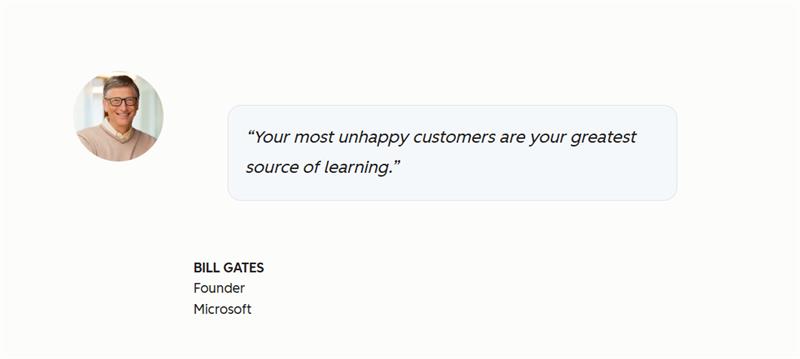
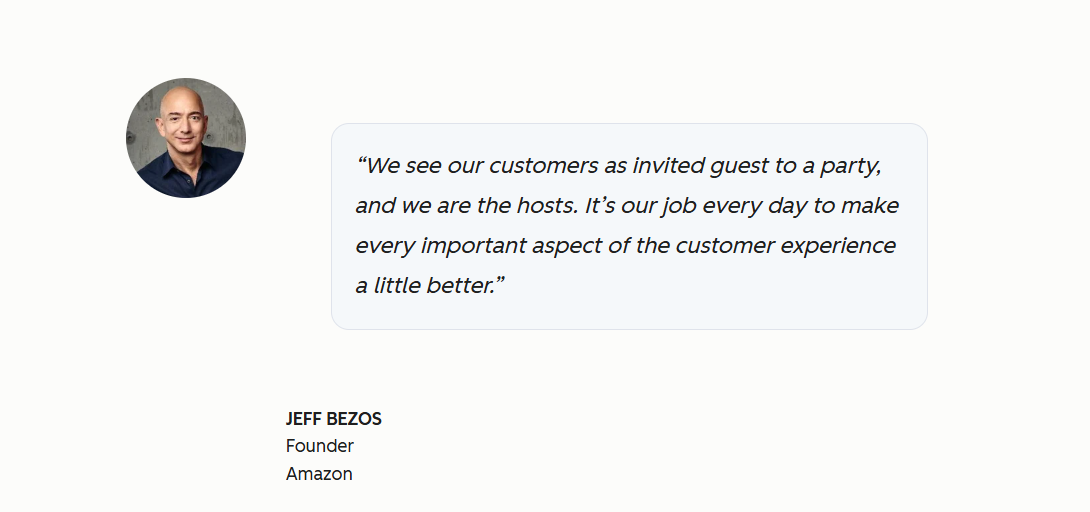
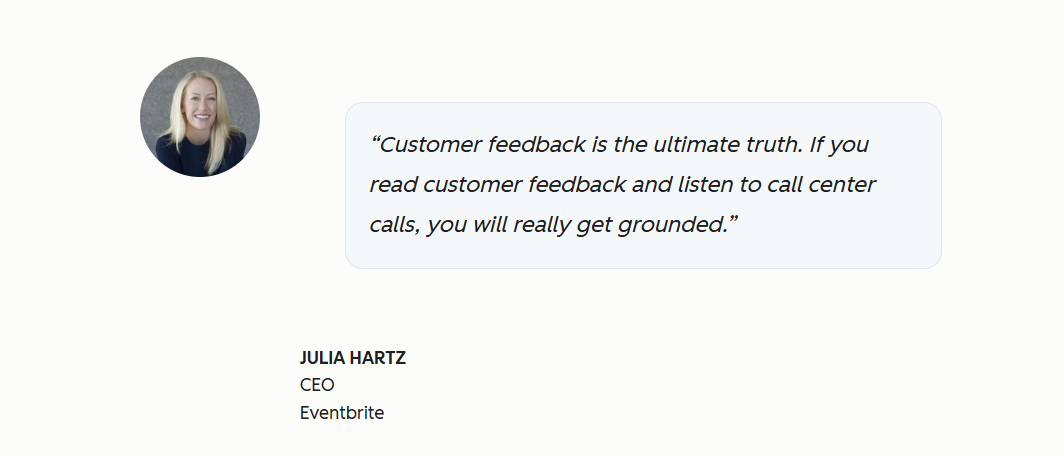
But here’s something I’ve noticed: many businesses obsess over collecting reviews, five-star ratings, and testimonials; yet when it comes to replying, they fall flat with a dry, generic response like, “Thank you for your feedback.” And that kind of shallow reply is quietly costing them trust.
In this guide, we’ll dive deep into feedback response examples, strong review replies, and how to turn everyday customer comments into serious brand equity. Looking for ready-to-use positive review response examples? Check out our blog here. And if you’re after short positive review examples for social proof, we’ve covered those separately, too.
TL;DR
- Customer feedback is one of the fastest ways to understand what your business is doing right and where you’re lacking.
- But collecting reviews is not enough; how you respond to feedback also matters.
- Thoughtful review responses build trust, show customers you care, and turn positive reviews into stronger social proof.
- When businesses respond to feedback consistently, they don’t just manage reputation, but they create loyalty, improve service, and grow faster.
How do Reviews Affect SEO and Search Result Rankings?
Online reviews are a key factor in search results, especially for local businesses.
More positive reviews = The more your SEO is positively impacted
This means more people will find your business, simply because you show up higher in search results.

However, that doesn’t mean having Google reviews alone is enough to rank highly in search results. Google always aims to show the most relevant and helpful results, and it evaluates them based on several key factors, including:
Count – How many total reviews you have.
Recency – How new or old reviews are (Generally, new reviews are better)
Frequency – How often you’re getting new reviews
Star Rating – Whether your ratings are positive or negative
Authority – The number of platforms you have reviews on
All of these factors play a role in determining where you rank in Google search results. That’s why collecting customer feedback should be a regular, ongoing part of your marketing strategy. A one-time push for reviews simply won’t deliver the same impact.
Why does Your Feedback Response Matter More Than the Review?
Customer feedback is essential because it helps you understand what drives satisfaction and builds lasting loyalty.
Consider this:
Customers are 2.6x as likely to purchase from a company after their 5-star experience. A good customer service experience strongly influences positive feedback for 94% of customers. And if your customer retention rate increases by only 5%, it can also increase profits by 20% to 30%.
The message is clear: businesses can’t afford to overlook feedback, but how you respond to it matters even more than the reviews themselves.
How?
Read on to understand.
When someone reads reviews, they’re judging the customer experience. They think: “Is this business good?”, but when they read your reply, they’re judging you. They think: “Will this business treat me well?”
That’s the real difference.
| When You Respond | What Customers Think |
| You thank positive reviews | “They appreciate their customers.” |
| You address complaints quickly | “They take responsibility.” |
| You personalize replies | “They actually care.” |
| You ignore reviews | “They don’t pay attention.” |
A thoughtful response signals control, maturity, and confidence. It shows you’re genuinely paying attention. And honestly? So few businesses bother to get this right that it’s surprisingly easy to stand out.
I’ve lost count of how many average companies I’ve seen look premium—simply because their review replies were sharp, human, and well-crafted.
So, what makes a feedback response strong?
A strong positive review response includes the customer’s name, acknowledgement of specific details, appreciation, and a future invitation.
A weak response example:
Thanks for your feedback.
A strong positive review response example:
When you are specific, it builds credibility.
Strong feedback responses do more than just acknowledge a customer—they increase trust, improve conversion rates, demonstrate professionalism, help control your brand narrative, and even boost SEO visibility.
Yet, many businesses still settle for a flat: “Thank you for your feedback.”
That’s a wasted opportunity.
So, what review response framework should your business follow? We’ll break it down in the next section.
What SEO Benefit Do You Get by Responding to Customer Feedback?
Most businesses overlook the SEO value of responding to customer feedback. When you reply naturally and include relevant service terms, you give your local SEO a quiet but powerful boost.
For example:
Thank you for choosing us for your home remodeling project.
A simple line like this reinforces service relevance on platforms like Google. The smart play? Treat every review response as search content, because, in a way, it is.
The 4-Stage Review Response Framework (Most Businesses Ignore This!)
Most companies reply to reviews without any real structure. Some only respond to negative feedback, while others copy and paste the same generic message across every platform.
Here’s a smarter, more intentional system your business should follow.
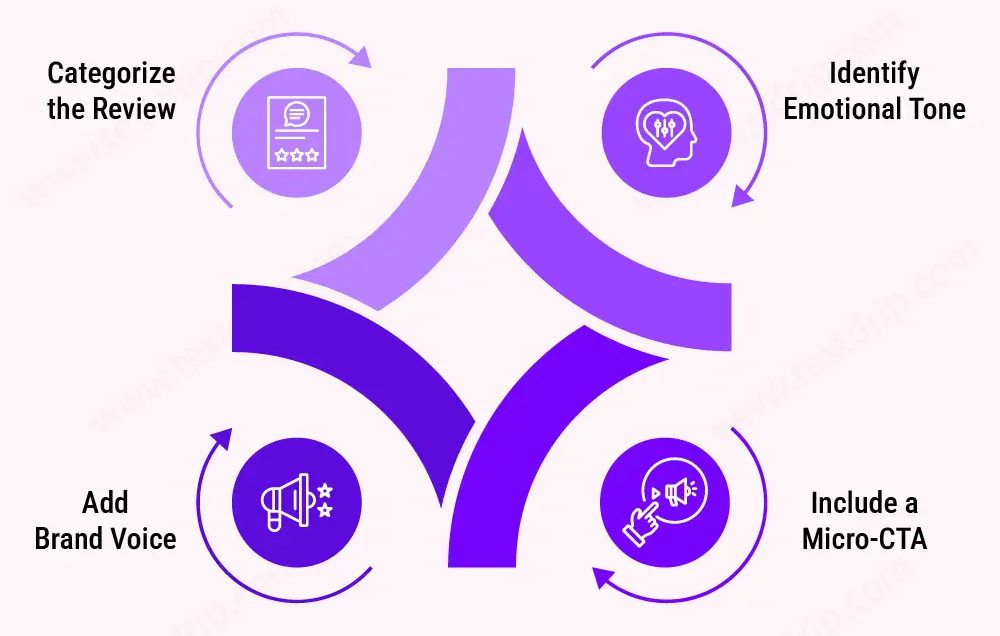
| Stage | Importance |
|
So you can respond strategically |
|
Match your response to customer sentiment |
|
Keep consistency across platforms |
|
Turn engagement into repeat business |
Let’s understand each stage in brief.
1. Categorize the Review First
Before you even think about responding or typing anything, pause and ask yourself: What kind of review is this?
| Category | What it Looks Like | What it Needs |
| Quick Praise | “Great service!” | Personal touch + reinforcement |
| Detailed Positive | Mentions specific results | Recognition and brand positioning |
| Mixed Feedback | Positive, but with a concern | Appreciation plus clarification |
| Negative Experience | Frustration or complaint | Ownership + solution |
Most businesses ignore this and give the same tone reply to every review. That’s the mistake. Your response should match the situation.
2. Identify the Emotional Tone
Reviews are emotional, even the short ones. So, read between the lines. Identify whether the customer sounds excited, relieved, frustrated, disappointed, or grateful. Then, let your reply match that energy. No need to exaggerate, but align your tone with theirs.
For example:
If a customer writes:
Finally found a team that actually responds on time. So relieved!
A strong response would be:
We’re so glad you felt supported. Fast communication matters to us, and we’re happy we could deliver when you needed it.
Now compare that to:
Thank you for your feedback.
The first response acknowledges the emotion, not just the rating. That’s what makes it stand out.
3. Add Brand Positioning
Here’s where most businesses leave opportunity on the table. They see a feedback response as a customer service task. But really? It’s marketing.
Let’s say a customer leaves a review like:
The onboarding process was smooth and clear.
Most businesses would reply with something flat:
Thank you for your feedback.
But here’s what a strategic reply looks like:
We’re glad the onboarding felt smooth and clear. We’ve designed it to remove confusion and save our clients time, so it’s great to hear that came through.
Notice the difference? That one extra sentence quietly reinforces your brand values: organized, efficient, client-focused. Do this consistently, and over time, those small moments shape how new readers see you before they’ve even raised their hand to buy.
4. Include a Micro-CTA
This step quietly turns reviews into repeat business. A micro-CTA isn’t a hard sell like “Buy again now”—it’s a soft, natural next step.
For example:
We look forward to working with you again.
Let us know if there’s anything else we can support you with.
We’d love to see you back soon.
Even with a negative review, you can include a gentle invitation:
Please reach out to us directly so we can make this right.
In short, here’s the full structured example using the 4-part framework.
Customer Review:
Very professional and responsive. They fixed my issue within a few hours.
Step – 1 – Categorize – Detailed Positive
Step – 2 – Emotional Tone – Relief + Satisfaction
Step – 3 – Brand Positioning – Emphasize Responsiveness
Step – 4 – Micro-CTA – Invite future engagement
So, your final customer feedback response should look something like this:
Thank you for sharing this. We know how frustrating delays can be, so we’re glad we could resolve your issue quickly. Our team works hard to stay responsive and proactive. If you ever need support again, we’re here.
This response is structured, intentional, and consistent.
This framework removes guesswork, improves consistency, protects your brand voice, and transforms everyday replies into trust-building assets.
Treat every feedback response as a public conversation—because your future customers are reading.
Follow this framework, and your replies won’t sound random anymore. They’ll start to sound strategic.
But here’s the question: what actually makes these responses work? What’s the psychology behind them?
Let’s break it down. And in the next section, we’ll explore how to respond to customer feedback professionally. If you want even more detail, check out our latest blog post on the topic.
The Psychology Behind Powerful Feedback Responses
Before we dive into feedback response examples, let’s first understand what makes them work.
Every effective review response taps into at least three of these psychological triggers.
| Trigger | Why It Works | Example |
| Recognition | People want to feel seen | “We’re glad our team helped you meet your deadline.” |
| Validation | Confirms customer feelings | “We understand how frustrating delays can be.” |
| Reassurance | Builds safety for future buyers | “We’ve already improved our delivery process.” |
| Authority | Shows competence | “Our support team resolved this within 24 hours.” |
| Invitation | Encourage repeat action | “We’d love to help you again.” |
Most businesses overlook this, but once you understand the psychology behind it, writing a response becomes remarkably simple.
So, what types of feedback do most businesses typically receive?
Read on to find out.
What are the Common Types of Reviews Every Business Gets?
I’ve read hundreds, likely thousands, of reviews across industries, and one thing is clear: they’re not random. They follow patterns.
Once you can identify the type, responding becomes simple and almost automatic.
Most businesses receive five distinct types of feedback. But instead of grouping them simply as “good” or “bad,” let’s categorize them strategically.
| Review Type | Example | Response Goal |
| Short Positive | “Amazing Experience” | Amplify emotion |
| Detailed Praise | Mentions staff, product, process | Highlights strength |
| Neutral | “It was fine.” | Encourage engagement |
| Constructive | Mixed feedback | Show improvement |
| Critical | Strong dissatisfaction | De-escalate + reassure |
Using this structure, you can respond intentionally instead of emotionally.
Why? Because when you treat every review the same, your response sounds generic. But when you understand that this review is:
- Enthusiastic
- Detailed praise
- Neutral
- Mixed
- Constructive
You respond with intention. And that’s the real difference between a business that merely “replies to reviews” and one that uses reviews as a growth lever.
Remember: it’s not about writing better sentences. It’s about recognizing what kind of conversation you’re actually in.
Let’s explore this in detail with an example in the next section.
Strategic Feedback Response Examples
Let’s look at some feedback response examples that show you how to reply to the different types of reviews you’re likely to receive.
1. Short Positive Reviews (Enthusiastic)
Some customers prefer to write short reviews rather than long paragraphs. In our latest blog – Short Positive Reviews Examples for Testimonials and Social Proof -we’ve listed these types of reviews along with how to respond to them. Check it out for more clarity.
When you come across reviews like:
Absolutely amazing experience!
*”Best service ever. 10/10.”*
Highly recommend to everyone!
It’s easy to dismiss them as generic. But in reality, they’re emotional and full of energy. When customers leave reviews like this, they’re telling you that you exceeded their expectations. They feel good, and they want others to know it.
So, respond strategically. Don’t just say “thanks,” but match their energy.
For example:
We’re so happy you had such a great experience! Our team loves hearing this kind of feedback. Thanks for recommending us; that truly means a lot.
By reinforcing the emotion, you make the review even more powerful for future readers.
2. The Detailed Praise Review
Some customers get specific; they mention names, processes, and timelines. Reviews like:
The onboarding process was smooth, and the support team answered all my questions quickly.
Jack explained everything clearly and followed up the next day.
These reviews indicate that your systems are working and that your customer has noticed. They’re especially powerful because they double as proof not just that you’re good, but also how you’re good.
When responding, highlight the strength they’ve mentioned.
For example:
We’re glad the onboarding felt smooth for you. Our support team works hard to make things simple and clear, so we’ll definitely share your kind words with Jack.
By reinforcing professionalism and teamwork publicly, you build trust with everyone who reads your responses.
Learn more about positive review response examples here.
3. Neutral Feedback Example
Neutral feedback can be tricky. Customers leave reviews like: “It was fine.”, “Service was okay.”, “No complaints.”
These responses show no excitement or anger; they’re simply flat. What they’re telling you is that you met expectations but didn’t exceed them. And honestly? This is where growth hides.
So, your response should invite further conversation. For example:
Thanks for your feedback. We’re glad everything went smoothly. If there’s anything we could improve next time, we’d love to hear it.
By replying this way, you open the door without being defensive. Sometimes, neutral reviewers become loyal customers simply because they feel heard.
4. Constructive (Mixed) Feedback Example
Mixed feedback is common.
Customers leave reviews like:
Great product, but shipping was slow.
Loved the service. Pricing felt a bit high.
What they’re really saying: they liked you, but something didn’t quite land. You’re close, but there’s friction. And that friction, if ignored, can easily turn into negative reviews down the line.
So when you respond to mixed feedback, acknowledge both sides. Don’t ignore the issue.
For example:
Thank you for sharing this. We’re happy you loved the product, and we appreciate you pointing out the shipping delay. We’re reviewing our delivery timelines to improve that experience.
This response validates the praise while addressing the concern. That balance is crucial. And remember: your future readers are watching. They’ll see the accountability.
5. Critical (Negative) Feedback
No business likes to receive such feedback, but it matters most. When some customers give a response like:
“Very disappointed.”
“Customer service never responded.”
“I wouldn’t recommend.”
It hurts. I understand it, but it is your public test.
Such feedback means customers felt unheard, frustrated, or misaligned with expectations. Sometimes they’re right, and sometimes they’re not, but the perception is reality.
So, stay calm, take ownership where appropriate, and offer a solution. Be professional and solution-focused. Never argue publicly, even if you’re tempted.
Your response should be like:
“We’re sorry to hear about your experience. This isn’t the standard we aim for. Please contact us directly at [email], and we’ll make this right.”
Because remember you’re writing for the next customer, not just this one.
How to Respond to Customer Feedback Without Sounding Robotic
If you’re wondering how to respond to customer feedback without sending the same generic reply to everyone, here’s a simple formula you can use.
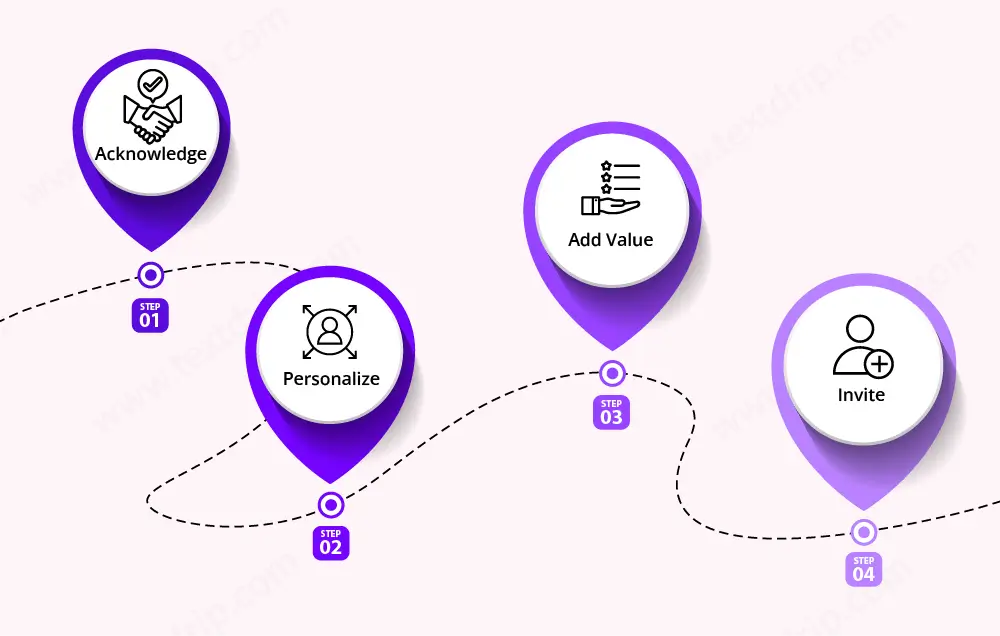
Acknowledge → Personalize → Add Value → Invite
For example:
We appreciate you pointing this out, [Name]. We’ve already shared your feedback with our team, and we’re improving this process. If there’s anything else we can do, we’re here.
Never:
Copy and paste the same response to every customer
Give a one-word reply
Use a defensive tone
Your feedback response should always feel intentional.
Of course, templates can save time—but they shouldn’t erase your personality. Use the following approach to make the most of any review response template.
| Situation | Core Response Template |
| 5-star Review | Thank -> Highlight the specific details -> Invite back |
| Neutral Review | Appreciate -> Clarify -> Offer assitance |
| Negative Review | Acknowledge -> Apologize (if required) -> Offer solution offline |
Use a review response template that aligns with your brand voice. Just don’t copy-paste identical responses repeatedly; customers notice it.
Why does Manual Feedback Response Stop Working as You Grow?
Manual responses feel fine at first. You open Google, reply to feedback, then jump to Facebook and other platforms. Copy, tweak, post—done.
It works perfectly when you’re getting five reviews a week. But at fifty? It starts to break.
First, inconsistency shows up. Some feedback gets thoughtful replies; others get rushed responses. A few get ignored completely. This uneven effort can weaken your brand voice fast.
Then, response time slows down. When someone leaves feedback, they’re paying attention in that moment. If you reply two days later, the impact drops. Manual processes almost always create delays.
Also, when you’re busy, stressed, or annoyed by a negative comment, your replies can feel reactive instead of professional. That’s risky when everything is public.
You’ll also face a visibility issue. When reviews live across Google, Yelp, Facebook, SMS, and email, patterns get lost. You can’t clearly see what customers consistently praise or complain about. And if you can’t see patterns, you can’t improve strategically.
So, here’s the difference.
| Manual | Automated System |
| Inconsistent tone | Brand-consistent messaging |
| Slow replies | Faster responses |
| Scattered platforms | Centralized tracking |
| Hard to scale | Built for growth |
This doesn’t mean you should remove personalization; it means you should support it.
Automated SMS marketing platforms like Textdrip can help you automate review requests, trigger follow-ups, and guide customers to the right platform, all while keeping the message customized.
In short, manual feedback responses work when you’re small. Automation works when you’re growing.
Start Turning Your Customers into Promoters Easily With Textdrip
Reviews aren’t just stars on a screen; they’re public proof of how you treat people.
So, use strong feedback response examples. Work hard. Earn good reviews. Write thoughtful, positive responses that sound human. Let customer feedback become your best copy; share the best reviews on your homepage and landing pages. It helps you connect with what future customers are looking for and influences buying decisions.
If you want to automate follow-ups, collect reviews through SMS, and keep feedback organized without losing the human touch, tools like Textdrip make the process easier.
Because it’s not about collecting more reviews; it’s about handling them better.
Start using Textdrip today.
FAQ's
Thank the customer for their feedback and acknowledge their experience. Politely ask if there’s anything you could improve. Neutral reviews are a valuable opportunity to learn what customers truly expect.
Start by thanking the customer for sharing their thoughts. Address what they mentioned in the review, and keep your tone respectful and helpful. If there’s an issue, briefly explain how you plan to resolve it.
Be polite, clear, and calm in your response. Show appreciation for the feedback and acknowledge the customer’s experience. Professional replies focus on solutions and positive communication, and not on defensiveness.
Avoid being defensive, ignoring negative reviews, or using the same generic reply for every customer. Never argue publicly. Instead, stay respectful and focus on solving the problem.
Yes, templates help you reply faster and maintain consistency. Just be sure to personalize each response so it doesn’t feel copy-pasted. A little effort goes a long way in building trust.
Brands should reply quickly, thank customers for their feedback, and address both concerns and praise. Being transparent and helpful shows customers that their opinions genuinely matter.

![Bulk SMS Marketing Starter Guide – How to Create Bulk SMS Drip Campaign? [Infographic]](https://textdrip.com/wp-content/uploads/2024/07/BULK-SMS-MARKETING-STARTER-GUIDE-1-300x153.webp)